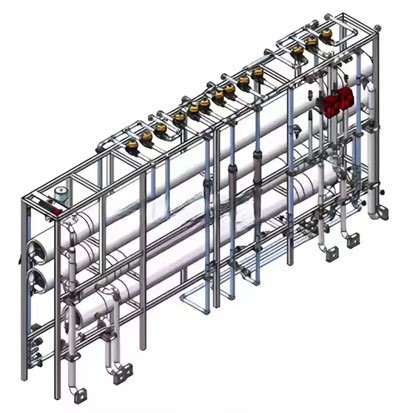

As a supplier of spray towers, I understand the importance of efficiency in these systems. A spray tower, also known as a wet scrubber, is a pollution control device that uses a liquid to remove pollutants from a gas stream. Improving the efficiency of a spray tower can lead to better air quality, reduced operating costs, and increased productivity. In this blog post, I will share some tips on how to improve the efficiency of a spray tower.
1. Optimize the Design of the Spray Tower
The design of the spray tower plays a crucial role in its efficiency. Here are some design considerations to keep in mind:
- Tower Size and Shape: The size and shape of the spray tower should be designed to ensure proper gas-liquid contact. A taller tower can provide more contact time between the gas and the liquid, while a wider tower can increase the surface area for contact.
- Nozzle Selection: The type and arrangement of nozzles can significantly affect the efficiency of the spray tower. Choose nozzles that can produce a fine mist of liquid, which can increase the surface area of the liquid and improve the contact with the gas. The nozzles should also be arranged in a way that ensures uniform distribution of the liquid throughout the tower.
- Packing Material: Packing materials can be used in the spray tower to increase the surface area for gas-liquid contact. The packing material should be selected based on its chemical compatibility with the liquid and the gas, as well as its surface area and porosity.
2. Maintain the Spray Tower Regularly
Regular maintenance is essential to ensure the efficient operation of the spray tower. Here are some maintenance tasks to perform:
- Clean the Nozzles: Over time, the nozzles can become clogged with dirt, debris, or scale. Cleaning the nozzles regularly can prevent clogging and ensure proper spray pattern.
- Check the Liquid Level: The liquid level in the spray tower should be maintained at the appropriate level. If the liquid level is too low, the gas may not be properly scrubbed, while if the liquid level is too high, it can cause flooding and reduce the efficiency of the tower.
- Inspect the Packing Material: The packing material should be inspected regularly for damage or fouling. If the packing material is damaged or fouled, it should be replaced to ensure proper gas-liquid contact.
- Monitor the Pressure Drop: The pressure drop across the spray tower should be monitored regularly. An increase in pressure drop can indicate a problem with the tower, such as clogging or fouling, and should be addressed promptly.
3. Control the Operating Conditions
The operating conditions of the spray tower can also affect its efficiency. Here are some operating conditions to control:
- Gas Flow Rate: The gas flow rate through the spray tower should be maintained at the appropriate level. If the gas flow rate is too high, the gas may not have enough time to contact the liquid, while if the gas flow rate is too low, it can cause poor mixing and reduce the efficiency of the tower.
- Liquid Flow Rate: The liquid flow rate through the spray tower should also be maintained at the appropriate level. The liquid flow rate should be sufficient to ensure proper wetting of the packing material and the gas, but not too high to cause flooding.
- Temperature and Humidity: The temperature and humidity of the gas and the liquid can affect the efficiency of the spray tower. The temperature and humidity should be controlled to ensure optimal conditions for gas-liquid contact.
- pH and Chemical Concentration: The pH and chemical concentration of the liquid in the spray tower should be monitored and adjusted regularly. The pH and chemical concentration can affect the solubility of the pollutants and the efficiency of the scrubbing process.
4. Use High-Quality Components
Using high-quality components in the spray tower can also improve its efficiency. Here are some components to consider:
- Pumps: The pumps used to circulate the liquid in the spray tower should be of high quality and have sufficient capacity to ensure proper liquid flow.
- Valves: The valves used to control the flow of the gas and the liquid in the spray tower should be of high quality and have good sealing properties.
- Instruments: The instruments used to monitor the operating conditions of the spray tower, such as pressure gauges, temperature sensors, and flow meters, should be of high quality and accurate.
5. Consider Upgrading the Spray Tower
If the existing spray tower is not operating efficiently, it may be necessary to consider upgrading it. Here are some upgrade options to consider:


- Retrofit the Nozzles: Upgrading the nozzles to a more efficient type can improve the spray pattern and increase the surface area of the liquid.
- Add Packing Material: Adding packing material to the spray tower can increase the surface area for gas-liquid contact and improve the efficiency of the tower.
- Install a New Control System: Installing a new control system can improve the monitoring and control of the operating conditions of the spray tower, leading to better efficiency.
6. Choose the Right Type of Spray Tower
There are different types of spray towers available, each with its own advantages and disadvantages. Choosing the right type of spray tower for your application can improve its efficiency. Here are some types of spray towers to consider:
- FRP Spray Tower: FRP (Fiber Reinforced Plastic) spray towers are lightweight, corrosion-resistant, and easy to install. They are suitable for applications where the gas stream contains corrosive pollutants.
- PP Spray Tower: PP (Polypropylene) spray towers are also lightweight, corrosion-resistant, and have good chemical resistance. They are suitable for applications where the gas stream contains acidic or alkaline pollutants.
Conclusion
Improving the efficiency of a spray tower requires a combination of proper design, regular maintenance, control of operating conditions, use of high-quality components, and consideration of upgrade options. By following these tips, you can ensure that your spray tower operates efficiently and effectively, leading to better air quality, reduced operating costs, and increased productivity.
If you are interested in purchasing a spray tower or need help improving the efficiency of your existing spray tower, please contact us for more information. We are a leading supplier of spray towers and can provide you with high-quality products and professional services.
References
- Perry, R. H., & Green, D. W. (Eds.). (2008). Perry's Chemical Engineers' Handbook (8th ed.). McGraw-Hill.
- Cooper, C. D., & Alley, F. C. (2011). Air Pollution Control: A Design Approach (4th ed.). Waveland Press.
- USEPA. (2019). Control Techniques for Volatile Organic Compounds in Surface Coating Operations. EPA-453/B-93-016.