
As a supplier of IC anaerobic tanks, I understand the critical importance of effluent quality in anaerobic treatment systems. The IC (Internal Circulation) anaerobic tank is a high - efficiency anaerobic reactor widely used in the treatment of high - strength organic wastewater. Improving the effluent quality of an IC anaerobic tank not only ensures environmental compliance but also enhances the overall efficiency of the wastewater treatment process. In this blog, I will share some effective strategies and techniques to achieve better effluent quality.
1. Optimize the Inlet Conditions
The quality and characteristics of the influent have a significant impact on the performance of the IC anaerobic tank. Firstly, it is essential to control the influent flow rate. A stable and appropriate flow rate helps maintain a uniform hydraulic retention time (HRT) in the tank. If the flow rate is too high, the wastewater may not have enough time to react with the anaerobic microorganisms, leading to incomplete treatment and poor effluent quality. On the other hand, a very low flow rate may cause the accumulation of sludge and the growth of unwanted bacteria.
The influent concentration of organic matter also needs to be carefully regulated. High - strength organic wastewater can overload the IC anaerobic tank, while extremely low - strength wastewater may not provide enough nutrients for the anaerobic microorganisms. It is advisable to pre - treat the wastewater to adjust the organic load within an optimal range. For example, dilution or concentration techniques can be used depending on the initial wastewater characteristics.
2. Ensure Proper Mixing and Circulation
Good mixing and circulation are crucial for the uniform distribution of wastewater and microorganisms in the IC anaerobic tank. The internal circulation mechanism in the IC anaerobic tank is designed to enhance mass transfer and improve the contact between the wastewater and the anaerobic sludge. However, to ensure its effectiveness, the IC Gas - Liquid Separator and IC Anaerobic Water Distributor should be properly installed and maintained.
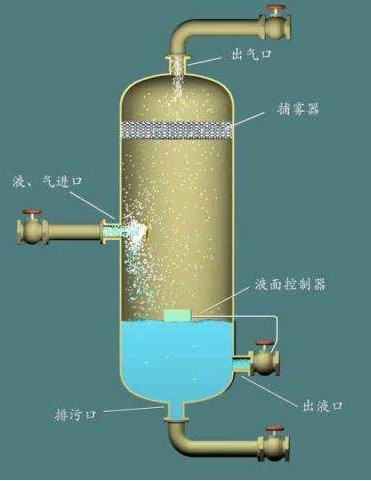
The IC Gas - Liquid Separator plays a vital role in separating the biogas produced during the anaerobic process from the liquid phase. A well - functioning separator can prevent the gas from interfering with the normal operation of the tank and ensure the smooth circulation of the liquid. The IC Anaerobic Water Distributor is responsible for evenly distributing the influent wastewater across the cross - section of the tank. This helps to avoid short - circuiting and ensures that all parts of the tank are effectively utilized.
3. Maintain a Suitable Temperature
Temperature is a key factor affecting the activity of anaerobic microorganisms. Most anaerobic bacteria in the IC anaerobic tank thrive in a mesophilic temperature range (around 30 - 35°C). Deviations from this optimal temperature range can significantly reduce the metabolic activity of the microorganisms, leading to a decrease in treatment efficiency and poor effluent quality.
To maintain a suitable temperature, insulation measures can be taken for the IC anaerobic tank. In cold climates, external heating systems may be required to keep the tank at the desired temperature. Conversely, in hot climates, cooling systems may be necessary to prevent overheating. Regular monitoring of the temperature inside the tank is essential to ensure that it remains within the optimal range.
4. Control the pH Value
The pH value of the wastewater in the IC anaerobic tank also has a significant impact on the performance of the anaerobic microorganisms. Most anaerobic bacteria prefer a slightly alkaline environment, with a pH range of 6.5 - 7.5. If the pH is too low or too high, it can inhibit the growth and activity of the microorganisms, resulting in incomplete degradation of organic matter and poor effluent quality.
To control the pH value, pH adjustment agents can be added to the influent wastewater. For example, if the pH is too low, alkaline substances such as sodium hydroxide can be added; if the pH is too high, acidic substances such as hydrochloric acid can be used. Continuous monitoring of the pH value in the tank is necessary to make timely adjustments.
5. Manage the Sludge
The sludge in the IC anaerobic tank is the carrier of anaerobic microorganisms. Proper sludge management is essential for maintaining the activity of the microorganisms and improving the effluent quality. Regular sludge sampling and analysis should be carried out to monitor the sludge characteristics, such as sludge concentration, sedimentation performance, and microbial community structure.
Excessive sludge accumulation in the tank can lead to reduced treatment efficiency and poor effluent quality. Therefore, appropriate sludge discharge measures should be taken. However, it is also important not to discharge too much sludge, as this may result in the loss of active microorganisms. A balance needs to be struck between sludge discharge and the maintenance of an appropriate sludge concentration in the tank.
6. Monitor and Analyze the Effluent
Regular monitoring and analysis of the effluent are essential for evaluating the performance of the IC anaerobic tank and identifying potential problems. Key parameters such as chemical oxygen demand (COD), biochemical oxygen demand (BOD), suspended solids (SS), and nutrient content should be measured. By comparing the measured values with the relevant standards and benchmarks, we can determine whether the effluent quality meets the requirements.
If the effluent quality does not meet the standards, further analysis should be carried out to identify the root causes. It may be necessary to adjust the operating parameters of the IC anaerobic tank, such as the influent flow rate, temperature, pH value, or sludge management strategy.
7. Use Supplementary Treatment Processes
In some cases, even with optimal operation of the IC anaerobic tank, the effluent may still not meet the strict discharge standards. In such situations, supplementary treatment processes can be used to further improve the effluent quality. For example, aerobic treatment processes, such as activated sludge systems or membrane bioreactors, can be used to remove residual organic matter and nutrients from the anaerobic effluent.


The Biogas Water Seal Tank can also play an important role in the overall treatment system. It helps to ensure the safe collection and storage of biogas produced in the IC anaerobic tank, and at the same time, it can also have a certain purification effect on the biogas.
In conclusion, improving the effluent quality of an IC anaerobic tank requires a comprehensive approach that includes optimizing the inlet conditions, ensuring proper mixing and circulation, maintaining a suitable temperature and pH value, managing the sludge, monitoring and analyzing the effluent, and using supplementary treatment processes when necessary. As a supplier of IC anaerobic tanks, we are committed to providing high - quality products and technical support to help our customers achieve better effluent quality and more efficient wastewater treatment.
If you are interested in our IC anaerobic tanks or need further advice on improving effluent quality, please feel free to contact us for procurement and negotiation. We look forward to working with you to solve your wastewater treatment problems.
References
- Lettinga, G., Van Velsen, A. F. M., Hobma, S. W., De Zeeuw, W., & Klapwijk, A. (1980). Use of the upflow sludge blanket (USB) reactor concept for biological wastewater treatment, especially for anaerobic treatment. Biotechnology and Bioengineering, 22(5), 699 - 734.
- Angelidaki, I., & Ahring, B. K. (1994). Effect of temperature and organic loading rate on thermophilic anaerobic treatment of manure in continuously stirred tank reactors. Applied Microbiology and Biotechnology, 41(6), 798 - 803.
- McCarty, P. L. (1964). Anaerobic waste treatment fundamentals. Public Works, 95(6), 116 - 123.