Coking wastewater is recognised as one of the most difficult types of industrial wastewater to treat. Generated during coal carbonisation, gas purification and by-product recovery in coking plants, it contains high concentrations of ammonia nitrogen, phenols, cyanides, polycyclic aromatic hydrocarbons and other refractory organic pollutants. If discharged without proper treatment, it will cause severe, long-term damage to rivers, soil and aquatic ecosystems. For coking, iron and steel enterprises worldwide, stable and cost-effective coking wastewater treatment has become a core requirement for environmental permits and sustainable production.
Traditional treatment processes often face obvious bottlenecks. Simple biochemical systems struggle to break down persistent organics, and it is hard to keep ammonia nitrogen and total nitrogen within strict emission limits. Seasonal temperature changes, fluctuating water inflow quality and load shocks further reduce system stability. Many old lines require frequent chemical dosing, produce large volumes of sludge and bring high running costs, making it difficult to satisfy increasingly tightened global environmental regulations.
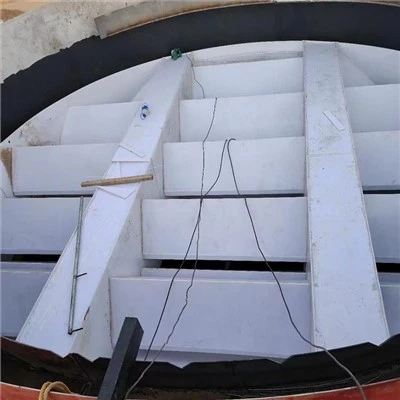
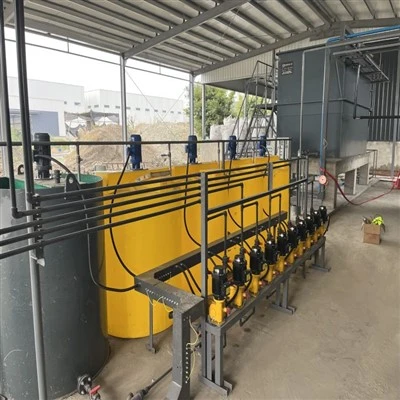
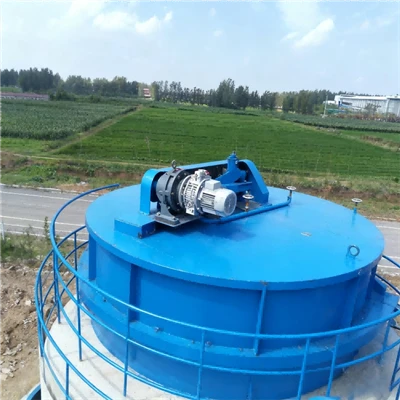
Modern integrated treatment lines combine pre-treatment, biological degradation and advanced polishing to achieve stable qualified effluent. Pre-treatment units such as oil separation, coagulation and air flotation remove tar, heavy oil and suspended solids, protecting subsequent biological tanks from toxic shock. ANA/O, A²/O and improved membrane bioreactor processes are widely adopted to degrade phenols and remove nitrogen step by step. After biochemical treatment, advanced oxidation, activated carbon adsorption and ultrafiltration can be added to further reduce residual refractory organics and colour. For projects with water reuse demands, reverse osmosis systems can produce recycled water for cooling and washing, cutting freshwater consumption.
Well-designed treatment systems bring multiple commercial benefits. They help plant owners pass environmental inspections, avoid fines and production shutdowns. Optimised process layouts lower chemical consumption, power use and sludge disposal costs. Modular designs are available for both new construction and retrofitting of existing coking plants, easy to install and flexible for capacity adjustment. Our technical team customises each solution according to local water quality, discharge standards and site conditions, providing full support including process design, equipment supply, installation guidance, commissioning and long-term after-sales service.
As environmental supervision becomes stricter across the globe, coking enterprises must invest in dependable wastewater infrastructure. Professional coking wastewater treatment technology not only controls pollution but also supports circular economy goals. We keep upgrading our processes to deliver robust, low-energy and easy-to-maintain systems, helping customers balance production growth with environmental responsibility.