The booming biomass pyrolysis industry offers a renewable path to produce bio-oil from agricultural residues, wood chips and organic waste, yet bio-oil wastewater has become one of the biggest bottlenecks restricting large-scale commercial application. Generated during fast pyrolysis and bio-oil condensation, this wastewater features high COD, abundant refractory organic acids, phenols, aldehydes and suspended solids, with strong acidity and poor biodegradability. Direct discharge will cause severe soil and water pollution, while improper treatment increases operating costs and compliance risks for bio-oil manufacturers worldwide.
Different from ordinary oily wastewater, bio-oil wastewater contains a complex mixture of small-molecule toxic organics that can inhibit microbial activity. A single treatment method rarely meets discharge standards. Reliable engineering solutions usually adopt a combined process of pretreatment, biochemical treatment and advanced polishing.
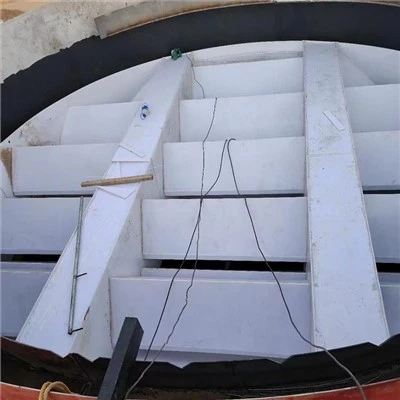
In the pretreatment stage, oil-water separation, coagulation-flocculation and sedimentation are applied first to remove free oil, tar particles and large suspended solids. This step reduces the load for subsequent units and prevents fouling and damage to reactors and membrane modules. Advanced oxidation processes such as Fenton oxidation or catalytic oxidation are commonly used as pre-oxidation units to break down stable phenolic and heterocyclic organics, raise the BOD/COD ratio and improve the biodegradability of wastewater.
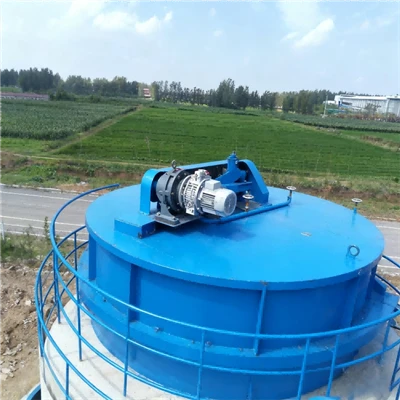
After pretreatment, anaerobic and aerobic biochemical systems are adopted for deep degradation. Anaerobic reactors decompose most soluble organics and recover biogas for on-site energy supply, which improves the circular economy benefits of the whole plant. Followed by aerobic tanks, activated sludge or biofilm processes further cut down organic pollutants. For projects requiring high-standard discharge or water reuse, membrane filtration and adsorption with biochar are added as advanced treatment to remove residual chroma and trace toxic organics.
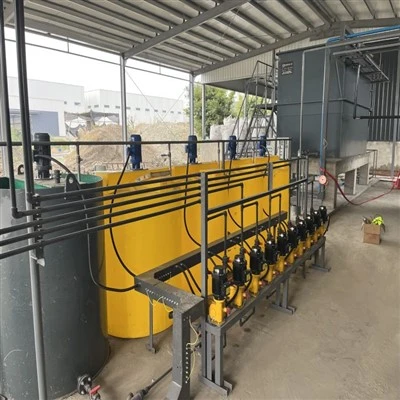
Cost control and stable long-run performance are core concerns for bio-oil plant owners. Modular wastewater treatment packages are highly welcomed, as they occupy less space, allow flexible capacity expansion and are easy to install and maintain. Integrated systems also support partial water recycling back to the production line, lowering freshwater consumption.
As global environmental regulations grow stricter, standardized bio-oil wastewater treatment systems are no longer an optional add-on but essential supporting equipment for biomass refineries. Our tailored treatment solutions help biofuel producers achieve stable effluent quality, meet local emission requirements and push forward cleaner, profitable biomass bio-oil production.