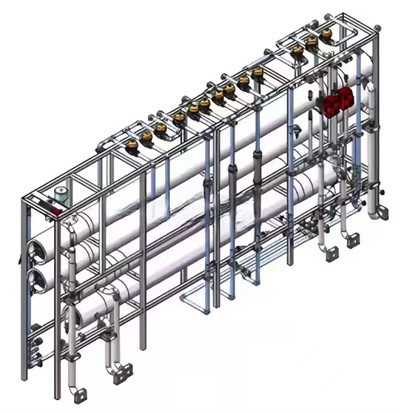

As a supplier of MBR curtain membrane, I am often asked about how our product effectively handles oil-containing wastewater. In this blog, I will delve into the principles, processes, and advantages of using MBR curtain membrane in dealing with such challenging wastewater.
Understanding Oil-Containing Wastewater
Oil-containing wastewater is a common and problematic byproduct in many industries, including petrochemical, food processing, and metalworking. This type of wastewater contains various forms of oil, such as free oil, emulsified oil, and dissolved oil. The presence of oil can cause significant environmental pollution if not properly treated. It can form a layer on the water surface, blocking oxygen transfer and harming aquatic life. Additionally, oil can clog treatment equipment and reduce the efficiency of wastewater treatment processes.
How MBR Curtain Membrane Works
The MBR (Membrane Bioreactor) curtain membrane is a key component in the treatment of oil-containing wastewater. It combines biological treatment with membrane filtration to achieve high-quality effluent.
Biological Treatment
In the MBR system, microorganisms are used to break down organic matter in the wastewater. These microorganisms consume the organic pollutants, including oil, as a source of energy and nutrients. The biological treatment process occurs in an aeration tank, where the wastewater is mixed with activated sludge containing the microorganisms. The aeration provides oxygen to support the growth and activity of the microorganisms.
Membrane Filtration
The MBR curtain membrane acts as a physical barrier to separate the treated water from the sludge. It has a very fine pore size, typically in the range of 0.01 to 0.1 micrometers, which can effectively retain suspended solids, bacteria, and some dissolved substances. The membrane filtration process ensures that the effluent is clear and free of most contaminants.
The combination of biological treatment and membrane filtration allows for a more efficient and effective treatment of oil-containing wastewater. The microorganisms break down the oil, while the membrane removes the remaining pollutants, resulting in a high-quality treated water that can be reused or safely discharged into the environment.


Advantages of Using MBR Curtain Membrane for Oil-Containing Wastewater Treatment
High Treatment Efficiency
The MBR curtain membrane can achieve a high removal rate of oil and other pollutants. It can effectively remove free oil, emulsified oil, and even some dissolved oil from the wastewater. The fine pore size of the membrane ensures that the treated water meets strict environmental standards.
Compact Design
MBR systems with curtain membranes are more compact compared to traditional wastewater treatment systems. They require less space, making them suitable for installation in areas with limited land availability. This is especially beneficial for industries located in urban areas or areas with high land costs.
Easy Operation and Maintenance
The MBR curtain membrane is relatively easy to operate and maintain. The membrane can be easily cleaned and replaced if necessary. The system also has a high degree of automation, which reduces the need for manual labor and human intervention.
Resistance to Oil Fouling
Our MBR curtain membrane is designed to be resistant to oil fouling. It has a special surface treatment that prevents oil from adhering to the membrane surface. This reduces the frequency of membrane cleaning and extends the membrane's service life.
Case Studies
To illustrate the effectiveness of our MBR curtain membrane in treating oil-containing wastewater, let's look at some case studies.
Petrochemical Industry
A petrochemical plant was facing challenges in treating its oil-containing wastewater. The traditional treatment methods were not able to meet the strict environmental standards. After installing our MBR curtain membrane system, the plant was able to achieve a significant reduction in oil content in the effluent. The treated water met the reuse requirements, allowing the plant to save water and reduce its environmental impact.
Food Processing Industry
A food processing factory was generating a large amount of oil-containing wastewater. The factory was concerned about the high cost of wastewater treatment and the potential environmental pollution. By using our MBR curtain membrane system, the factory was able to effectively treat the wastewater and reduce the oil content to an acceptable level. The treated water was then reused in the production process, resulting in significant cost savings.
Choosing the Right MBR Curtain Membrane
When choosing an MBR curtain membrane for oil-containing wastewater treatment, there are several factors to consider.
Membrane Material
The membrane material should be resistant to oil and chemical substances. Our MBR curtain membrane is made of high-quality materials that are specifically designed for oil-containing wastewater treatment.
Pore Size
The pore size of the membrane should be appropriate for the type of oil and pollutants in the wastewater. A smaller pore size can provide better filtration, but it may also increase the risk of membrane fouling.
Module Design
The module design should be optimized for easy installation, operation, and maintenance. Our Curtain MBR Membrane Module and Column MBR Membrane Module are designed to meet these requirements.
Conclusion
In conclusion, the MBR curtain membrane is an effective solution for treating oil-containing wastewater. It combines biological treatment and membrane filtration to achieve high-quality effluent. The advantages of using MBR curtain membrane include high treatment efficiency, compact design, easy operation and maintenance, and resistance to oil fouling. By choosing the right MBR curtain membrane and system, industries can effectively treat their oil-containing wastewater and reduce their environmental impact.
If you are interested in our MBR curtain membrane products or have any questions about oil-containing wastewater treatment, please feel free to contact us for further discussion and procurement. We are committed to providing high-quality products and services to meet your needs.
References
- Smith, J. (2018). Membrane Bioreactors for Wastewater Treatment. Elsevier.
- Johnson, A. (2019). Oil and Grease Removal from Wastewater. CRC Press.
- Brown, C. (2020). Advanced Wastewater Treatment Technologies. Wiley.