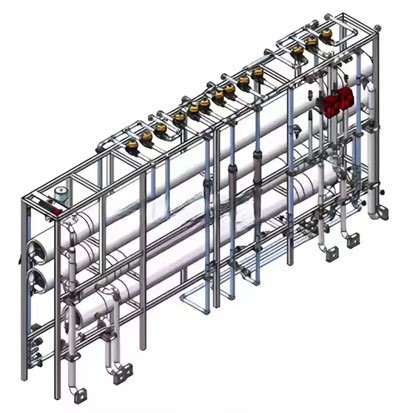

Hey there! As a supplier of Screw Sludge Dehydrators, I often get asked, "Is it difficult to install a screw sludge dehydrator?" Well, let's dive into this topic and find out.
First off, let me give you a bit of background on screw sludge dehydrators. These machines are designed to separate water from sludge, making it easier to handle and dispose of. They're commonly used in wastewater treatment plants, industrial facilities, and other places where sludge management is a concern.
Now, let's talk about the installation process. In general, installing a screw sludge dehydrator isn't overly difficult, but it does require some planning and preparation. Here are the main steps involved:
Site Preparation
The first step is to find a suitable location for the dehydrator. It should be a flat, stable surface with enough space for the machine and any associated equipment. You'll also need to make sure there's access to power, water, and a drainage system.
Assembly
Once you've found the right spot, it's time to assemble the dehydrator. Most screw sludge dehydrators come in pre - fabricated sections, which makes the assembly process relatively straightforward. You'll need to follow the manufacturer's instructions carefully, using the provided tools and hardware. This usually involves bolting the sections together and connecting the various components, such as the screw shaft, drive motor, and control panel.
Electrical and Plumbing Connections
After the assembly is complete, you'll need to connect the dehydrator to the power supply and the water and drainage systems. This requires some basic electrical and plumbing knowledge. Make sure to follow all safety guidelines and local codes when making these connections. For example, you'll need to ensure that the electrical wiring is properly grounded and that the water and drainage pipes are leak - free.
Testing and Commissioning
Once everything is connected, it's time to test the dehydrator. Start by running the machine at a low speed and gradually increase the speed to the recommended operating level. Check for any leaks, unusual noises, or other issues. You'll also need to adjust the settings of the dehydrator, such as the feed rate and the sludge discharge rate, to optimize its performance.
Now, let's compare the installation of a screw sludge dehydrator with other types of sludge dewatering equipment. There are several alternatives to screw sludge dehydrators, such as Box Filter Press, Belt Filter Press, and Plate And Frame Filter Press.
Box filter presses are known for their high - pressure filtration capabilities. However, their installation can be more complex than that of a screw sludge dehydrator. They often require a larger footprint and more extensive plumbing and electrical connections.
Belt filter presses are another popular option. They are relatively easy to install and operate, but they may require more maintenance compared to screw sludge dehydrators. The belts need to be regularly cleaned and replaced, which can add to the overall cost of ownership.
Plate and frame filter presses are also widely used in sludge dewatering. They offer good filtration efficiency, but their installation can be time - consuming. The plates and frames need to be carefully assembled and aligned, and the hydraulic system needs to be properly installed and calibrated.
So, in comparison, the installation of a screw sludge dehydrator is generally less complex and time - consuming. It doesn't require a large amount of space, and the assembly process is relatively straightforward.
However, there are still some factors that can make the installation more challenging. For example, if the site has limited access or if the sludge has unique characteristics, such as high viscosity or a high solids content, it may require some additional modifications or adjustments to the installation process.
In addition, the level of technical expertise of the installation team can also play a role. If you have a team of experienced technicians, they'll be able to handle the installation more efficiently. On the other hand, if you're doing the installation yourself or with a less - experienced team, you may encounter some difficulties.
But don't worry! As a supplier, we're here to support you throughout the installation process. We can provide you with detailed installation instructions, technical support, and even on - site assistance if needed. Our goal is to make sure that your screw sludge dehydrator is installed correctly and operating smoothly.
If you're considering purchasing a screw sludge dehydrator, I encourage you to reach out to us for more information. We can help you determine the best model for your specific needs, provide you with a quote, and guide you through the installation process. Whether you're a small - scale wastewater treatment plant or a large industrial facility, we have the expertise and the products to meet your requirements.
In conclusion, while there are some challenges involved in installing a screw sludge dehydrator, it's generally not a difficult process. With proper planning, preparation, and support, you can have your dehydrator up and running in no time. So, if you're looking for an efficient and reliable way to manage your sludge, consider a screw sludge dehydrator. And remember, we're here to help you every step of the way. Get in touch with us to start the conversation about your sludge management needs!
References:


- General knowledge of sludge dewatering equipment and installation processes in the wastewater treatment industry.