I. Case Background
Zouping City (formerly Zouping County) has a strong industrial foundation and a rapid urbanization process. With industrial upgrading and the improvement of residents' living standards, the discharge volume of domestic sewage and industrial wastewater has been increasing year by year. The types of pollutants are complex, posing a challenge to the regional water environment safety. The urban sewage treatment plant in Zouping City undertakes the sewage treatment tasks for the urban area and its surrounding regions, and is the core hub of local water environment governance.
II. Project Overview
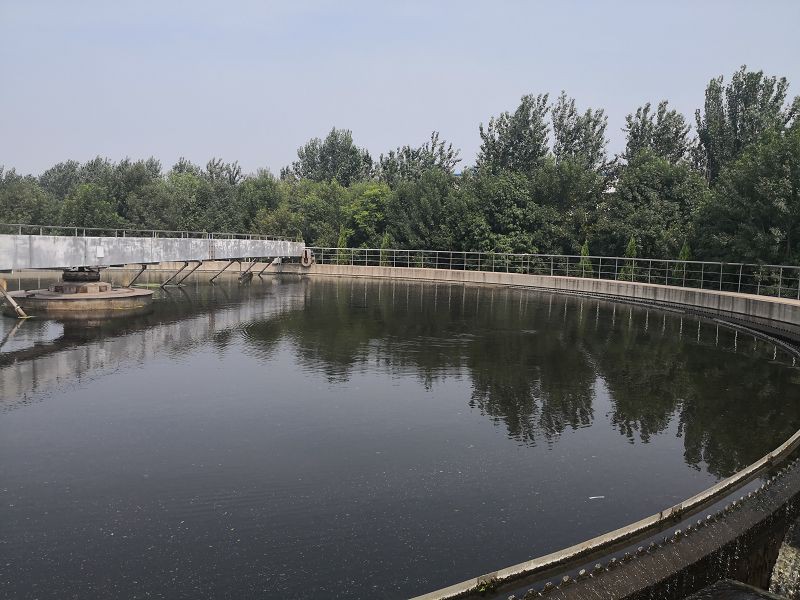
This plant consists of Plant One and Plant Two. The designed total daily treatment capacity is 160,000 tons, and the actual treatment capacity is stable at over 150,000 tons per day, covering an area of 360 square kilometers. At the initial stage of construction, the effluent was subject to the first-level (A) standard, and after the 2024 upgrade and renovation, it was upgraded to the surface water standard level IV. The core process adopts differentiated configuration of the plants. Plant One underwent technical renovation and adopted the A/O process, while Plant Two adopted the inverted A2/O process, with a supporting sludge treatment system to avoid secondary pollution.
III. Core Measures
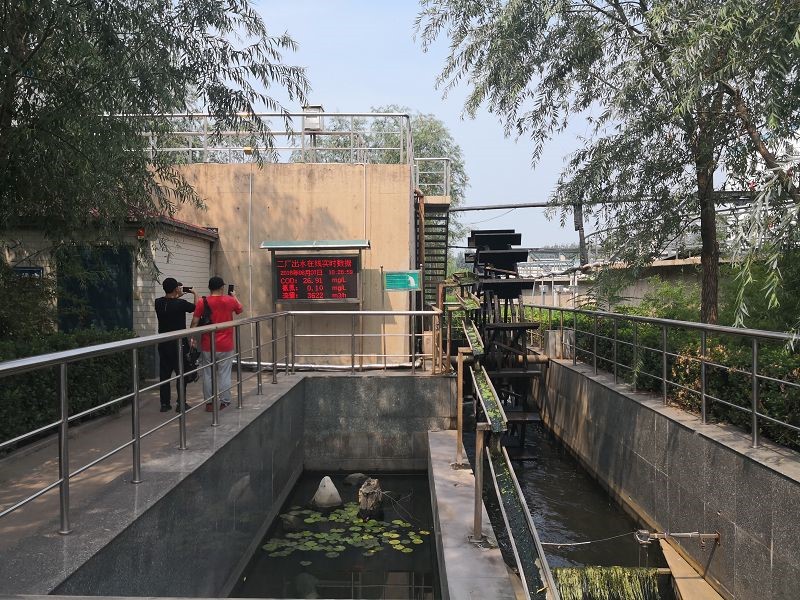
1. Source Control: Investigate the sewage pipelines, monitor the influent water quality in real time, introduce fluorescence fingerprint traceability technology, and investigate and punish illegal illegal discharges; 2. Process Renovation: Replace energy-saving equipment, optimize the aeration system, complete the process renovation independently, and reduce energy consumption and investment; 3. Smart Operation: Develop a smart water affairs platform, implement refined management, and improve operation efficiency; 4. Diversified Guarantee: Innovate the tiered water price model, build a "government special bond + green finance + enterprise self-raised funds" financing model to ensure the smooth progress of the upgrade and renovation.
IV. Treatment Effects
Environmentally, approximately 1150 tons of COD emissions are reduced annually, and the reclaimed water is used for water resource recycling, with a supporting wetland park enhancing the regional ecological quality; economically, various operational expenses are saved by over 3 million yuan annually, enjoying tax reductions, expanding technical services for revenue generation; socially, popularizing environmental protection knowledge, cultivating professional talents, improving the living environment, optimizing the business environment, achieving a win-win situation of ecological, economic, and social benefits.