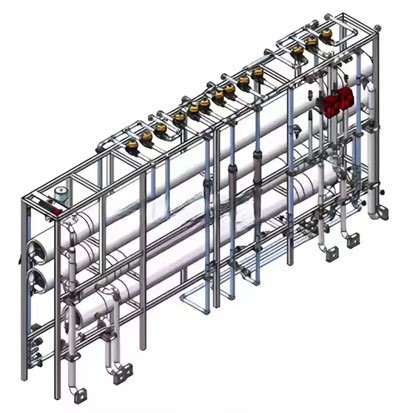

Choosing the suitable operation mode for an IC anaerobic tank is a crucial decision that can significantly impact the efficiency and effectiveness of wastewater treatment processes. As a leading supplier of IC anaerobic tanks, we understand the importance of guiding our customers through this process to ensure optimal performance and long - term success.
Understanding the Basics of IC Anaerobic Tanks
IC (Internal Circulation) anaerobic tanks are advanced wastewater treatment systems that use anaerobic bacteria to break down organic matter in wastewater. These tanks are known for their high - rate treatment capabilities, compact design, and ability to handle high - strength wastewater. The key components of an IC anaerobic tank include the influent distribution system, the anaerobic reactor, and the Three - Phase Separator. The three - phase separator plays a vital role in separating the treated wastewater, biogas, and sludge, ensuring efficient operation of the tank.
Factors to Consider When Choosing an Operation Mode
Wastewater Characteristics
The first and most important factor to consider is the characteristics of the wastewater. This includes the organic load, pH level, temperature, and the presence of toxic substances. High - strength wastewater with a high organic load may require a more aggressive operation mode to ensure complete degradation of the organic matter. For example, if the wastewater has a high concentration of volatile fatty acids (VFAs), a higher hydraulic retention time (HRT) or a higher recirculation rate may be necessary to maintain the stability of the anaerobic process.
Biogas Production Goals
Another important consideration is the biogas production goals. Biogas is a valuable by - product of the anaerobic digestion process and can be used for energy generation. If the goal is to maximize biogas production, an operation mode that promotes the growth and activity of methane - producing bacteria should be selected. This may involve adjusting the HRT, organic loading rate (OLR), and temperature to create an optimal environment for methanogens.
Space and Infrastructure Constraints
The available space and infrastructure at the treatment site also play a role in choosing the operation mode. In some cases, space limitations may require a more compact design or a higher - rate operation mode. Additionally, the existing infrastructure, such as the influent and effluent pipelines, may need to be considered to ensure compatibility with the selected operation mode.
Cost Considerations
Cost is always a significant factor in any wastewater treatment project. The operation mode chosen should be cost - effective in terms of energy consumption, chemical usage, and maintenance requirements. For example, a lower - rate operation mode may require less energy and fewer chemicals but may also result in a larger tank size and higher capital costs.
Different Operation Modes for IC Anaerobic Tanks
Continuous Flow Operation
Continuous flow operation is the most common operation mode for IC anaerobic tanks. In this mode, wastewater is continuously fed into the tank, and the treated effluent is continuously discharged. This mode is suitable for large - scale wastewater treatment plants where a consistent flow of wastewater needs to be treated. Continuous flow operation allows for a stable and predictable treatment process, and it can be easily integrated with other treatment processes.
Batch Operation
Batch operation involves filling the tank with a specific volume of wastewater, allowing the anaerobic digestion process to occur, and then discharging the treated effluent. This mode is suitable for small - scale applications or for treating wastewater with variable characteristics. Batch operation provides more control over the treatment process and can be used to optimize the treatment of specific types of wastewater.
Semi - Continuous Operation
Semi - continuous operation is a combination of continuous and batch operation. In this mode, wastewater is fed into the tank at regular intervals, and the treated effluent is discharged periodically. This mode offers some of the advantages of both continuous and batch operation, providing a balance between stability and flexibility.


Selecting the Right Three - Phase Separator
The choice of the three - phase separator is closely related to the operation mode of the IC anaerobic tank. There are different types of three - phase separators available, including 304 Stainless Steel Three - Phase Separator, IC Three - Phase Separator, and PP Three - Phase Separator.
The 304 stainless steel three - phase separator is known for its high corrosion resistance and durability, making it suitable for harsh operating environments. The IC three - phase separator is specifically designed for IC anaerobic tanks and offers excellent separation efficiency. The PP three - phase separator is made of polypropylene, which is lightweight and cost - effective.
When selecting a three - phase separator, factors such as the type of wastewater, the operation mode of the tank, and the required separation efficiency should be considered. For example, if the wastewater contains high levels of solids or corrosive substances, a 304 stainless steel three - phase separator may be the best choice.
Case Studies
To illustrate the importance of choosing the right operation mode, let's consider two case studies.
Case Study 1: A food processing plant with a high - strength wastewater stream. The plant initially used a continuous flow operation mode but was facing issues with high VFA concentrations and low biogas production. After analyzing the wastewater characteristics, the operation mode was changed to a semi - continuous mode with a higher HRT. This adjustment allowed for better control of the anaerobic process, resulting in a significant increase in biogas production and a reduction in VFA concentrations.
Case Study 2: A small - scale brewery with limited space. The brewery chose a batch operation mode for its IC anaerobic tank. This mode allowed for flexibility in treating different batches of wastewater with varying characteristics. The brewery was able to optimize the treatment process and achieve high - quality effluent while minimizing the space requirements.
Conclusion
Choosing the suitable operation mode for an IC anaerobic tank is a complex decision that requires careful consideration of various factors. By understanding the wastewater characteristics, biogas production goals, space and infrastructure constraints, and cost considerations, you can select an operation mode that meets your specific needs. Additionally, selecting the right three - phase separator is crucial for the efficient operation of the tank.
If you are interested in learning more about our IC anaerobic tanks or need assistance in choosing the suitable operation mode for your wastewater treatment project, we encourage you to contact us for a detailed consultation. Our team of experts is ready to help you make the best decision for your specific requirements.
References
- Metcalf & Eddy. (2003). Wastewater Engineering: Treatment and Reuse. McGraw - Hill.
- Lettinga, G., et al. (1980). Use of the up - flow sludge blanket (USB) reactor concept for biological wastewater treatment, especially for anaerobic treatment. Biotechnology and Bioengineering, 22(5), 699 - 734.
- van Lier, J. B., et al. (2001). Anaerobic wastewater treatment: an integrated approach. IWA Publishing.