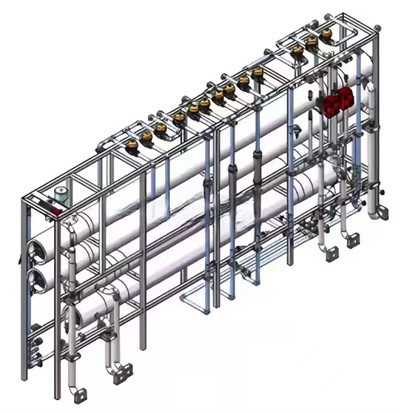

As a supplier of Filter Tanks, I've had the privilege of witnessing firsthand the widespread use and benefits of these essential water treatment devices. However, like any technology, filter tanks come with their own set of disadvantages. In this blog post, I'll delve into some of the drawbacks associated with using filter tanks, providing a balanced perspective for potential buyers.
1. High Initial Investment
One of the most significant disadvantages of using a filter tank is the high initial cost. Filter tanks, especially those designed for industrial or large - scale applications, can be quite expensive. The cost includes not only the tank itself but also the installation, which may require professional expertise. For example, a high - quality Activated Carbon Filter Tank can cost a substantial amount due to the specialized carbon media and the complex design required to ensure efficient filtration.
This high upfront cost can be a major deterrent for small businesses or individuals with limited budgets. They may find it difficult to justify the expense, especially when there are cheaper alternatives available, such as simple sediment filters. The financial burden can also slow down the decision - making process, as potential buyers need to carefully consider the long - term return on investment.


2. Maintenance Requirements
Filter tanks demand regular maintenance to function effectively. Over time, the filter media inside the tank can become clogged with debris, sediment, and other contaminants. This reduces the filtration efficiency and can even lead to complete blockage if not addressed promptly.
For instance, in a Quartz Sand Filter Tank, the quartz sand can accumulate dirt and particles, which need to be removed through backwashing. Backwashing is a process that involves reversing the flow of water through the filter to dislodge and flush out the trapped contaminants. This process requires additional equipment and energy, and it also generates a significant amount of wastewater.
Moreover, the filter media may need to be replaced periodically, depending on the type of filter and the quality of the incoming water. This adds to the ongoing maintenance costs and can be a hassle for users who are not well - versed in water treatment systems.
3. Space Requirements
Filter tanks can be quite large, especially those designed for high - flow applications. They require a significant amount of space for installation, which can be a problem for facilities with limited floor space. For example, an industrial - scale Filter Tank may need a dedicated room or area to accommodate its size.
This space requirement can limit the flexibility of installation and may even prevent some businesses from using filter tanks altogether. In addition, the large size of the tank can also make it difficult to move or relocate, which can be a drawback if the facility needs to be reconfigured or expanded in the future.
4. Limited Filtration Capacity
While filter tanks are effective at removing a wide range of contaminants, they have a limited filtration capacity. Once the filter media reaches its maximum capacity, it needs to be replaced or regenerated. This can be a problem in applications where the incoming water has a high concentration of contaminants or where a continuous supply of clean water is required.
For example, in a water treatment plant that receives water from a heavily polluted source, the filter tank may become saturated quickly, requiring frequent replacement of the filter media. This not only increases the operating costs but also disrupts the water treatment process.
5. Environmental Impact
The use of filter tanks can have a negative impact on the environment. As mentioned earlier, the backwashing process generates a large amount of wastewater, which contains the removed contaminants. Disposing of this wastewater can be a challenge, as it may need to be treated further to meet environmental regulations.
In addition, the production and disposal of filter media can also have an environmental impact. Some filter media, such as activated carbon, are made from non - renewable resources, and their production requires a significant amount of energy. When these filter media reach the end of their useful life, they need to be disposed of properly, which can be costly and may contribute to landfill waste.
6. Complexity of Operation
Filter tanks can be complex to operate, especially for those who are not familiar with water treatment systems. The proper operation of a filter tank requires knowledge of the filtration process, the type of filter media used, and the maintenance requirements. Incorrect operation can lead to reduced filtration efficiency, increased wear and tear on the equipment, and even safety hazards.
For example, if the backwashing process is not performed correctly, it can damage the filter media and reduce its lifespan. In addition, the control systems of filter tanks can be complicated, requiring trained personnel to monitor and adjust the settings.
7. Compatibility Issues
Filter tanks may not be compatible with all types of water sources or contaminants. Different filter media are designed to remove specific types of contaminants, and using the wrong filter media can result in ineffective filtration. For example, a filter tank designed for removing sediment may not be effective at removing dissolved organic compounds.
In addition, the chemical composition of the incoming water can also affect the performance of the filter tank. Some water sources may contain high levels of certain chemicals or minerals that can react with the filter media, reducing its effectiveness or causing damage to the tank.
Conclusion
Despite these disadvantages, filter tanks remain an important part of water treatment systems. They offer effective filtration and can help ensure the quality of water in various applications. As a Filter Tank supplier, I understand the concerns of potential buyers and am committed to providing solutions that address these issues.
If you are considering purchasing a filter tank, it's important to carefully evaluate your needs, budget, and the specific requirements of your application. Our team of experts can help you choose the right filter tank and provide guidance on installation, maintenance, and operation.
If you have any questions or would like to discuss your filter tank requirements, please feel free to contact us for a detailed consultation. We look forward to working with you to find the best solution for your water treatment needs.
References
- Water Treatment Handbook, [Publisher Name], [Year of Publication]
- Filtration Technology and Applications, [Author Name], [Year of Publication]