Dairy wastewater mainly comes from milk receiving, yogurt, cheese, milk powder processing and CIP cleaning cycles. It contains lactose, milk protein, fat, nitrogen, phosphorus and residual detergents, featuring high COD, high BOD5, rich nutrients and excellent biodegradability. Yet unstable water volume, oil-fat emulsification and frequent pH fluctuations are common pain points. Improper treatment will cause sludge bulking, membrane fouling and system collapse, which raises compliance risks for dairy manufacturers and restricts sustainable production.
A mature dairy wastewater system follows the route of pretreatment → equalization → anaerobic treatment → aerobic biochemical → advanced polishing. Pretreatment is the most critical first step. Screens and DAF dissolved air flotation remove most suspended solids, emulsified fat and grease. If fat accumulates into the biochemical tank, it will wrap microbial flocs and inhibit microbial activity, leading to sharp efficiency decline. After oil removal, an equalization tank stabilizes hydraulic load and pH shock from acid/alkaline cleaning wastewater, protecting the subsequent biological units.
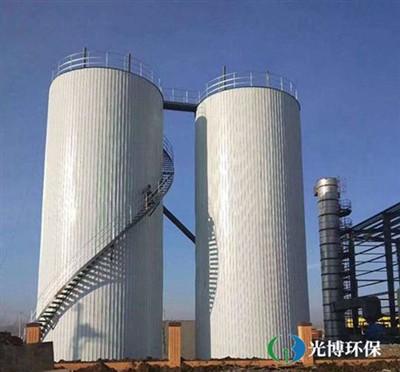
For high-strength dairy wastewater, IC or UASB anaerobic reactors are preferred. Anaerobic digestion breaks down most soluble lactose and protein, cutting COD by 75%–90% while generating biogas for boiler heating or power generation, realizing energy recovery. Compared with full aerobic processes, anaerobic pre-treatment greatly reduces aeration power consumption and sludge yield, which brings obvious running-cost advantages for large dairy plants.
Anaerobic effluent then enters aerobic sections such as biological contact oxidation, MBBR or MBR. This stage removes residual soluble organics and completes nitrification and denitrification to remove ammonia nitrogen and total nitrogen. MBR is widely used for projects requiring strict discharge standards or water reuse. It replaces the secondary sedimentation tank, maintains high sludge concentration, occupies small land area and produces crystal-clear effluent.
Advanced treatment including coagulation, sedimentation, activated carbon filtration or ultrafiltration can be added on demand. The final effluent can be reused for workshop cleaning, green irrigation and cooling water, lowering freshwater intake and discharge fees. Dewatered sludge can be composted into organic fertilizer to form circular economy.
Different dairy products create different water quality: whey wastewater carries extremely high COD; yogurt and cheese wastewater has higher protein and acidity; milk powder cleaning wastewater contains more surfactants. One-size-fits-all processes cannot guarantee long-term stable operation. Our customized solution adjusts the DAF dosage, anaerobic organic loading rate, sludge retention time and membrane cleaning scheme according to actual water quality test data.
Global food safety and environmental supervision keep tightening. International buyers tend to cooperate with dairy factories with reliable, traceable wastewater facilities. A stable wastewater system is not only for meeting discharge limits, but also an important green credential for export brands. Our turnkey service covers survey, process design, equipment manufacturing, installation, commissioning and after-sales maintenance, supporting both new factory construction and old sewage station renovation for dairy enterprises of all scales.