Wastewater from TCM (Traditional Chinese Medicine) extraction is a typical high-concentration pharmaceutical wastewater, generated during herb soaking, boiling, ethanol precipitation, filtration and equipment cleaning. Unlike general domestic sewage, it carries complex organic substances including polysaccharides, saponins, flavonoids, plant pigments, residual ethanol and suspended herbal debris. Its features are high COD, fluctuating water quality, deep chroma and poor biodegradability. If discharged directly without proper treatment, it will cause severe oxygen depletion in water bodies and fail factory environmental inspections, restricting export sales of herbal extracts, granules and patent medicine products.
Many TCM manufacturers encounter common pain points. Batch herbal production leads to unstable wastewater flow and pollutant concentration. Macromolecular refractory organics easily inhibit biochemical bacteria, while residual alcohol impacts sludge activity. Simple coagulation or single aerobic tanks cannot meet discharge standards consistently. Improper processes often result in frequent system collapse, high chemical dosage and excessive sludge output. A segmented combined treatment flow is therefore the reliable solution for TCM extraction plants.
The complete process starts with pre-treatment. Bar screens and grit chambers remove herbal residues and coarse fibers. Then the wastewater flows into an equalization tank to balance water quality and quantity. Coagulation, flocculation and dissolved air flotation (DAF) follow to separate suspended solids, colloids and partial pigments, greatly lowering the organic load for downstream biochemical units.
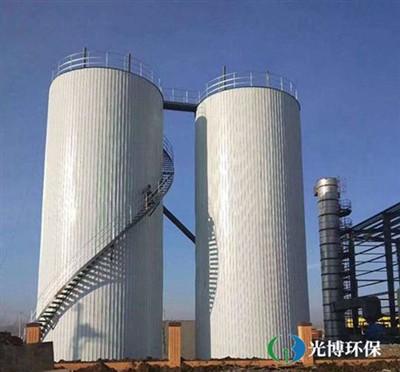
After pre-treatment, the wastewater enters the anaerobic system such as IC reactor or UASB. Anaerobic bacteria break down large-molecule organics into volatile fatty acids, improve the BOD/COD ratio and remove most COD with low power consumption. Next comes the aerobic biochemical section, commonly MBBR or A/O process, for further degradation of soluble organics and removal of ammonia nitrogen and total nitrogen.
For deep polishing, advanced oxidation like Fenton oxidation and secondary sedimentation are adopted to reduce residual COD and color. For factories with water-saving demands, ultrafiltration and reverse osmosis can be added for water reuse; treated clean water can be reused for workshop washing and ground cleaning.
Our customized TCM extraction wastewater treatment system supports continuous and intermittent batch production. It features strong anti-shock loading, stable effluent quality, low operation cost and automated monitoring. The effluent can meet discharge requirements of Southeast Asia, Middle East and other regions, helping factories pass GMP, ISO 14001 and third-party buyer audits.
As global herbal and natural ingredient markets grow, environmental compliance becomes a key evaluation indicator for overseas purchasers. We provide one-stop engineering service: process simulation, equipment fabrication, installation, commissioning and long-term technical support. Both skid-mounted compact units for small extract workshops and large turnkey projects for big TCM bases are available.
If you run a herbal extraction factory and need stable wastewater treatment technology, contact our engineering team for site survey and tailored proposal.