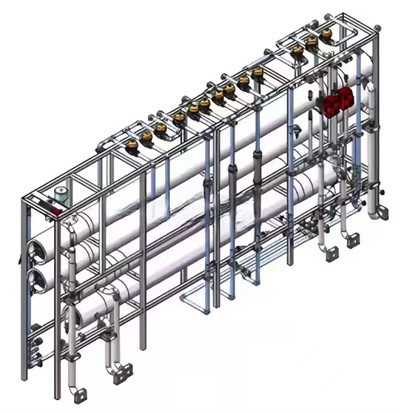

Can a filter tank be used in a fish tank? That's a question I get asked a lot as a supplier of Filter Tanks. And the answer is a resounding yes! Let's dive into why filter tanks are a great addition to your fish tank and how they can make a huge difference in the health and well - being of your aquatic friends.
Why You Need a Filter Tank in Your Fish Tank
First off, let's talk about water quality. Fish produce waste, and if that waste builds up in the tank, it can lead to all sorts of problems. Ammonia, nitrites, and nitrates are the main culprits. High levels of ammonia can be toxic to fish, causing stress, illness, and even death. Nitrites and nitrates, while less immediately deadly, can also have long - term negative effects on fish health.
A filter tank helps to remove these harmful substances from the water. It acts like a mini - water treatment plant for your fish tank. The filter media in the tank traps solid waste, such as uneaten food and fish feces, and also provides a home for beneficial bacteria. These bacteria break down ammonia into nitrites and then into nitrates, which are less harmful to fish.
Types of Filter Tanks
There are different types of filter tanks available, each with its own unique features and benefits.
Activated Carbon Filter Tank
One popular option is the Activated Carbon Filter Tank. Activated carbon is great at removing impurities from the water. It can adsorb a wide range of chemicals, including chlorine, heavy metals, and organic compounds. This helps to improve the taste and smell of the water, as well as making it safer for your fish. The activated carbon in the filter tank has a large surface area, which allows it to trap a lot of contaminants.
Quartz Sand Filter Tank
Another type is the Quartz Sand Filter Tank. Quartz sand is a natural and effective filter medium. It can remove larger particles from the water, such as dirt and debris. The sand acts as a physical barrier, preventing these particles from circulating in the fish tank. It also provides a surface for beneficial bacteria to grow, which helps with the biological filtration process.
How to Choose the Right Filter Tank for Your Fish Tank
When choosing a filter tank for your fish tank, there are a few things to consider.
Tank Size
The size of your fish tank is an important factor. You need to choose a filter tank that is large enough to handle the volume of water in your tank. As a general rule, the filter should be able to cycle the entire volume of water in the tank at least 3 - 5 times per hour. For example, if you have a 50 - gallon fish tank, you'll want a filter that can handle at least 150 - 250 gallons per hour.
Fish Species
Different fish species have different needs. Some fish produce more waste than others, and some are more sensitive to water quality. For example, goldfish are known to be messy eaters and produce a lot of waste, so they'll need a more powerful filter. On the other hand, some tropical fish are very sensitive to changes in water chemistry, so you'll need a filter that can maintain stable water conditions.


Budget
Your budget also plays a role in your decision. Filter tanks can range in price from relatively inexpensive to quite expensive. You don't necessarily have to buy the most expensive filter, but you do want to make sure you're getting a quality product that will do the job.
Installation and Maintenance of Filter Tanks
Installing a filter tank in your fish tank is usually a straightforward process. Most filter tanks come with instructions, and you can usually find helpful videos online. The basic steps involve placing the filter tank near the fish tank, connecting the hoses, and filling the filter with the appropriate filter media.
Maintenance is also important to keep the filter tank working effectively. You'll need to clean the filter media regularly to remove any trapped debris. The frequency of cleaning depends on the type of filter and the amount of waste in the tank. Generally, you should clean the filter media every 2 - 4 weeks. You'll also need to replace the filter media periodically, especially if it's an activated carbon filter.
Benefits of Using a Filter Tank in Your Fish Tank
Using a filter tank in your fish tank has several benefits.
Improved Water Quality
As mentioned earlier, a filter tank helps to remove harmful substances from the water, which improves the overall water quality. This leads to healthier fish and a more stable aquatic environment.
Reduced Maintenance
With a filter tank, you'll spend less time cleaning the fish tank. The filter does a lot of the work for you by removing waste and debris from the water. This means you can enjoy your fish tank without having to do as much manual cleaning.
Longer Lifespan for Your Fish
By providing a clean and healthy environment, a filter tank can help your fish live longer. Fish that are kept in clean water are less likely to get sick and are more likely to thrive.
Conclusion
So, can a filter tank be used in a fish tank? Absolutely! Whether you have a small home aquarium or a large commercial fish tank, a filter tank is a great investment. It can improve the water quality, reduce maintenance, and help your fish live longer and healthier lives.
If you're interested in purchasing a Filter Tank for your fish tank, feel free to reach out for more information. We're here to help you choose the right filter tank for your specific needs. Let's make your fish tank the best it can be!
References
- "The Complete Guide to Aquarium Filtration" by John Doe
- "Fishkeeping for Beginners" by Jane Smith